Build to Suit | 1033 Exchange New Construction Guide
Ever wondered if you can build a brand-new property as part of a 1033 exchange? If your property was taken through eminent domain or destroyed, you might be looking for the best way to use your insurance or compensation money. In this guide, you’ll learn how 1033 exchange new construction works, when it makes sense, and what steps you need to follow to turn your loss into a fresh start.
What Is a 1033 Exchange and Why Consider New Construction?
A 1033 exchange lets you defer capital gains taxes if your property was involuntarily converted, like being taken by eminent domain, condemned, or lost in a disaster. The IRS gives you a chance to reinvest your compensation in similar property instead of paying taxes right away. Many people think you have to buy an existing property, but building a replacement property through new construction is also an option.
Choosing 1033 exchange new construction means you aren’t limited to what’s available on the market. You get to design your replacement property to fit your needs, whether it’s a new home, office, or commercial site. This approach is especially attractive if nothing on the market matches what you lost, or if you want to upgrade.
When Does Building as a Replacement Property Make Sense?
New construction isn’t for everyone. So, when does it actually make sense? If you’re dealing with a unique or specialized property, like a custom home or a commercial building designed for your business, you might not find a good replacement off the shelf. Building lets you match your old property’s features or even improve on them.
Timing is another big factor. The 1033 rules give you a set window, usually two to three years, to complete your replacement. If you have a clear construction plan and a trusted team, this can work well. But if you expect delays, it can get risky.
One more reason to consider construction: you may be able to expand the use or value of your property, like adding energy-efficient features, extra space, or more modern amenities.
The 1033 Exchange New Construction Timeline: What to Expect
Taking on a build replacement property 1033 project means juggling a few deadlines. The IRS gives you a “replacement period,” usually starting from when your property is lost or condemned. For most situations, you’ll have two years, but some business or government cases allow up to three years. Here’s what you need to keep in mind:
- You must identify the land or property you’ll use for construction within the replacement period.
- The new property must be of “like kind” to what you lost. For real estate, this is usually pretty flexible.
- Construction needs to be completed, and the property must be in service, before the replacement period ends. That means it can’t still be a construction site when the clock runs out.
If you already own the land and want to build on it, your construction costs can count toward the 1033 exchange. If you need to buy land first, that purchase also counts, as long as it fits within the timeline and all funds are properly tracked.
Step-by-Step: How to Use Construction in Your 1033 Exchange
Thinking about starting a construction 1033 exchange? Here’s how the process generally works:
- Confirm your eligibility for a 1033 exchange. Your property must have been involuntarily converted, and you’ll need documentation of the event.
- Decide if new construction is the right fit. Consider your timeline, budget, and whether you can complete the project within the IRS deadlines.
- Identify and acquire the replacement land or property. This can be your current land (if not part of the conversion) or a new site.
- Plan your construction. Work with architects, like Études Architectural Solutions, to design a property that meets your needs and matches “like kind” requirements.
- Track all expenses carefully. Only costs directly related to the construction count toward your replacement value. Keep detailed records of land purchase, construction contracts, materials, and labor.
- Complete construction and place the property in service before the replacement period ends. The IRS expects the property to be ready to use, not just “almost done.”
This process can get complicated, so having experienced professionals on your side makes a big difference. Architects, tax advisors, and attorneys familiar with building as replacement under Section 1033 can help you avoid costly mistakes.
Key Rules and IRS Requirements: Don’t Miss These Details
The IRS has clear rules when it comes to 1033 exchange new construction. The most important are:
- The replacement property must be similar or related in use. For most real estate, this just means another piece of real estate, but special-purpose properties may need closer matching.
- All your compensation must be reinvested. If you don’t spend the full amount, you could owe taxes on the difference.
- Only costs actually paid before the deadline count toward your replacement. If you have unpaid construction bills or unfinished work, those amounts don’t help you defer taxes.
- The property must be “in service” (ready and available for its intended use) by the end of the replacement period.
Missing these requirements can mean losing your tax deferral. That’s why careful planning and documentation are critical.
Practical Tips for a Successful Build-to-Suit 1033 Exchange
Here’s how you can set yourself up for success when taking on new construction as part of your 1033 exchange:
- Start planning early. The clock starts ticking as soon as your property is lost or condemned. Delays in design, permitting, or construction can eat up precious time.
- Choose professionals who know 1033 exchanges. Not all architects or contractors understand the IRS requirements. Working with a team like Études Architectural Solutions, which has experience in this area, can help keep your project on track.
- Keep excellent records. Every dollar spent should be backed up by receipts or contracts. This makes your tax reporting much easier.
- Stay flexible, but know your limits. Construction projects rarely go exactly as planned. Build in some buffer time and budget, but don’t risk missing the IRS deadline.
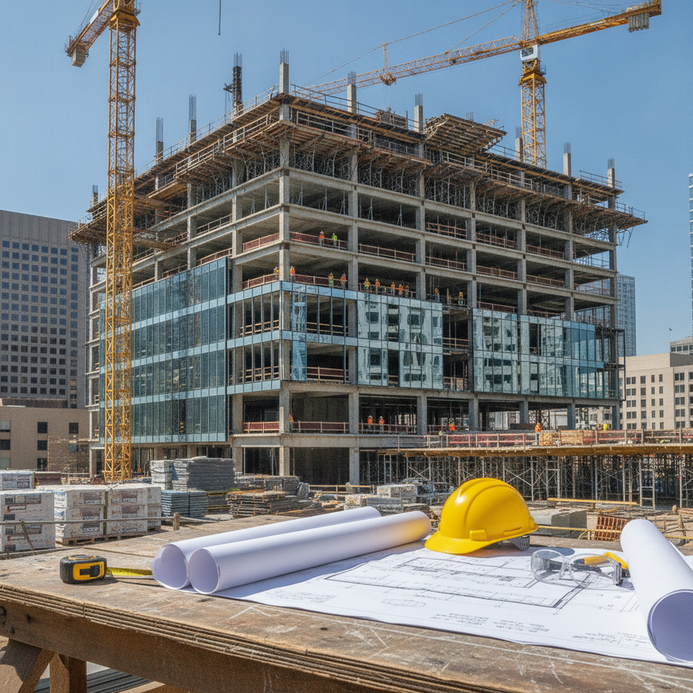
Ready to visualize your new property? Imagine a fresh, modern building rising from the ground, tailored just for you, thanks to careful planning and the unique advantages of a 1033 exchange new construction.
[Image: Modern commercial building under construction, cranes and workers visible, clear sky, architectural plans in foreground]
Conclusion: Is 1033 Exchange New Construction Your Next Step?
Building your own replacement property after an involuntary sale or loss can be a smart move. With the right team and careful planning, you can turn a challenging situation into an opportunity to create something even better. If you’re considering a 1033 exchange new construction, contact us to learn more.
Received a condemnation payment?
Get a free, no-obligation review of the tax treatment before you file.
Get a Free Tax Review