1033 Improvements to Owned Land | How-To Guide for Property Owners
Ever wondered if you can use 1033 improvements to owned land as a way to reinvest after your property was taken or destroyed? You’re not alone. Many property owners don’t realize that with the right approach, upgrading your existing land can qualify as replacement property under Section 1033. In this guide, you’ll learn what’s allowed, how to get started, and why smart improvements can protect your gains and set you up for future growth.
Understanding Section 1033 and Replacement Property
Before making plans, it helps to know what Section 1033 is all about. Section 1033 of the Internal Revenue Code lets you defer capital gains taxes when your property is involuntarily converted, think government taking your land by eminent domain, or losing it to a fire or natural disaster. The catch? You have to reinvest the proceeds into “replacement property.”
Most people think they must buy new property. But here’s the good news: you can sometimes use improvements as replacement property if you already own suitable land. In other words, capital improvements to your own land, like building a new structure or making major upgrades, can count, so long as you follow the IRS rules.
Let’s say you owned a small apartment complex, and it was taken by the city for a new highway. Instead of searching for a whole new property to buy, you might be able to improve land you already own. For example, building a new apartment building or adding a substantial extension to your existing structure can meet the requirements, letting you keep things closer to home and under your control.
What Counts as 1033 Improvements to Owned Land?
Not every project qualifies. To use 1033 improvements to owned land, you need to make sure your upgrades fit the definition of “like-kind” and “similar or related in service or use” compared to the property you lost. This is where things can get a bit technical, but it’s worth getting right.
The IRS looks at both the type and use of your lost property and compares it to what you’re building or upgrading. For instance, if you lost a rental building, you could build a new rental unit or add similar income-producing structures to your existing property. If you lost farmland, improvements like irrigation systems, barns, or installing greenhouses might qualify. The key is that the improvements must serve a similar function as the property you’re replacing.
Typical qualifying improvements include new buildings, major renovations, upgraded utilities, paved access roads, or significant landscaping that changes the property’s use or value. For example, putting up a new warehouse, converting unused land into a parking lot for your business, or creating a new office space on your property are often considered capital improvements. Small repairs or cosmetic updates usually don’t count, painting a fence or fixing a leaky roof isn’t enough. The IRS wants to see meaningful upgrades that add value or create new use.
You’ll want to check with a tax advisor or a 1033 specialist to confirm that your planned improvements qualify. Sometimes, the line between a capital improvement and a repair can get blurry, so getting professional input early is a smart move.
Steps to Take: How to Use Improvements as Replacement Property
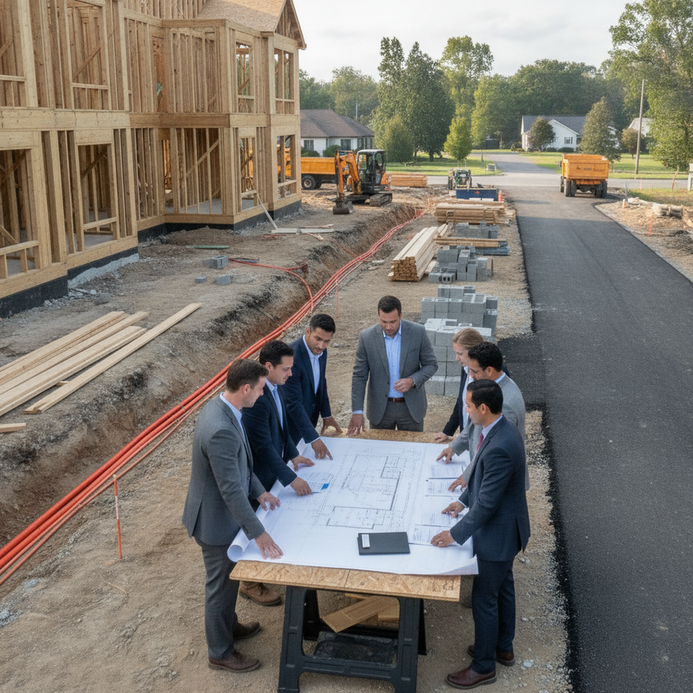
If you’re thinking about using improvements as replacement property, you’ll want a clear plan. Here’s a practical path to follow:
-
Assess your existing land. Make sure you own land that fits the “like-kind” rule for your lost property. If you lost a business building, the land you improve should be zoned or usable for similar business purposes. For residential property, the same general principle applies.
-
Plan qualifying improvements. Focus on capital improvements that add significant value or change the land’s use, not just minor fixes. Examples include constructing new buildings, expanding existing facilities, or installing major infrastructure such as water, sewer, or utility connections. Think in terms of projects that require permits and involve contractors.
-
Document everything. Keep records of costs, contracts, and progress. The IRS will want to see proof that the work was done and money spent appropriately. Save invoices, contractor agreements, building permits, and before-and-after photos. If possible, keep a project log that tracks milestones and spending over time.
-
Stay within the timeline. Section 1033 generally gives you two or three years (sometimes more for special cases) to complete your improvements and file the right paperwork. The clock usually starts the day you receive payment for your involuntarily converted property. Be realistic about how long your improvements will take and build in some buffer for delays.
-
Consult with experts. Tax rules can get tricky. Professionals can help you avoid costly mistakes and maximize your benefits. An experienced CPA or attorney can help make sure your improvements qualify and your paperwork is in order.
Following these steps helps ensure you stay on the right side of the IRS and make the most of your 1033 opportunity. Planning ahead is essential, especially when permits, construction schedules, and inspections are involved.
Real-World Examples: How Capital Improvements Qualify
Let’s look at a couple of scenarios to make this concrete. Say your city took your small retail property for a new road project. Instead of buying another store, you decide to add a retail storefront to a vacant portion of land you already own nearby. As long as the new construction is similar in use and meets the 1033 requirements, you may qualify for tax deferral.
Or maybe you lost a farm in a wildfire. If you own another field that’s underutilized, you could add a large barn, upgrade fencing, or install new irrigation. These types of capital improvements under 1033 could count toward your replacement property, letting you reinvest without the hassle of buying new land.
Consider another example: a small manufacturing company loses its factory to a flood. The owner already owns land next door that’s used for storage. By constructing a new manufacturing building on that land, one that is similar in scale and function to the lost factory, the owner can qualify for 1033 treatment. Or suppose you owned a duplex that was destroyed in a fire. If you have an empty lot, building a new duplex or a single-family rental could both qualify, depending on how the property was used before.
These examples show that you don’t have to look far from home to meet the rules, sometimes the best solution is already in your portfolio. The flexibility of 1033 allows you to adapt to your needs and make improvements that serve your goals, not just replace what was lost.
Key Pitfalls and How to Avoid Them
While using 1033 improvements to owned land sounds appealing, there are traps you’ll want to avoid.
First, don’t underestimate the “like-kind” rule. If your improvements don’t match the type and use of the lost property, you could lose your tax benefit. For example, if you lost a business property but only improve residential land, the IRS may not accept your replacement.
Second, keep a careful eye on your timeline. Missing the window could mean owing taxes you thought you’d deferred. Construction delays, permit issues, or late paperwork can all eat up precious time. It’s smart to start planning as soon as you know your property will be taken or lost.
Third, don’t mix personal and business improvements. Only the portion of the work that’s truly a replacement counts. For instance, if you build a new structure that’s partly for your business and partly for personal use, you may only be able to count the business portion toward your 1033 replacement property.
Finally, document everything. The IRS won’t accept your word alone. Contracts, receipts, and photos can make all the difference if you’re ever audited. If you can’t show exactly what you spent and what you built, you could lose out on the tax savings.
A few other pitfalls to watch for: underestimating project costs, failing to get proper permits, and overlooking local zoning rules. These can all stall your project or result in improvements that don’t qualify. Work with professionals who understand both construction and tax rules to keep your project on track.
Getting the Most from 1033 Improvements
By now, you can see that making 1033 improvements to owned land is all about strategy. Start with a solid plan, get expert help, and focus on improvements that clearly qualify as replacement property. The process may sound daunting, but with the right guidance, you can turn a forced sale or loss into an opportunity to upgrade your assets, and do it with tax advantages.
The smartest property owners don’t wait until the clock is running out. They map out their options early, compare the benefits of buying new property versus making improvements, and talk to tax experts before starting work. This way, they avoid surprises and make the most of their situation.
Sometimes, owners find that improving land they already own makes the most sense, especially if the area is familiar and already supports their business or personal goals. Others discover that combining improvements with a partial purchase of new property lets them maximize their replacement value. Every situation is unique, but careful planning is always the best foundation.
If you’re ready to explore your options or want help navigating the rules, that’s where we come in. Our team can help you figure out if your planned improvements qualify and guide you through every step.
Conclusion
Using 1033 improvements to owned land can be a practical, tax-smart way to reinvest after a forced property loss. The key is understanding what qualifies, planning carefully, and documenting each step. Want to know if your project fits? Contact us to learn more.
Received a condemnation payment?
Get a free, no-obligation review of the tax treatment before you file.
Get a Free Tax Review