South Dakota Disaster Buyout Tax | What You Need to Know
Ever wondered what happens if your South Dakota home gets bought out after a flood or other disaster? The south dakota disaster buyout tax can be confusing, especially when you’re already dealing with the stress of losing your property. This guide walks you through what the buyout tax means, how it works, and what you can do to make smart decisions with your payout.
What Is a Disaster Buyout in South Dakota?
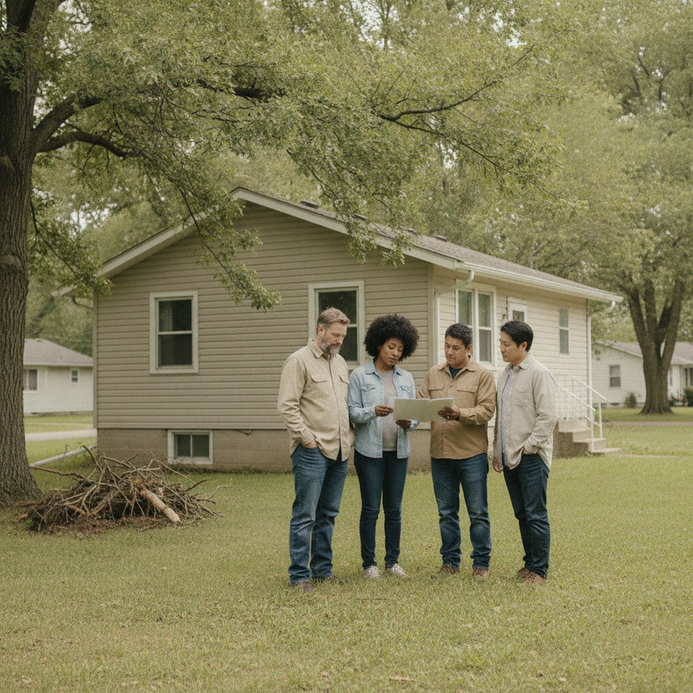
A disaster buyout happens when the government offers to buy your property after a major event like a flood, tornado, or wildfire. The goal is to help you move out of harm’s way and allow the land to return to a safer, natural state. You might hear about these buyouts after big storms hit South Dakota communities along rivers or in flood-prone areas.
Buyouts are usually voluntary. That means you can choose whether to accept the offer. If you do, you’ll get a payment based on the fair market value of your home before the disaster happened. The government will usually send an appraiser to determine this value, and you have the right to negotiate if you think the number is too low. The process can take several months, and during that time, you might have to make decisions about temporary housing or repairs.
But here’s the catch: this payment comes with tax questions you’ll want to answer before you sign anything. It’s not just a simple check, understanding exactly what you’ll owe, if anything, can make a big difference in your next steps.
How Does the South Dakota Disaster Buyout Tax Work?
Most people think of buyout money as a simple payout, but it can trigger taxes. The IRS and South Dakota both have rules about how disaster payments are taxed. Here’s how it typically plays out:
If you sell your home to the government in a disaster buyout, you could owe capital gains tax. This is a tax on the profit you make if your home is worth more now than when you bought it. For example, let’s say you bought your home for $100,000 years ago, and the government offers $180,000 in a buyout. The $80,000 difference could be considered a gain.
However, there are exceptions and special rules for disaster-related sales. If you owned and lived in your home for at least two of the past five years, you might be able to exclude up to $250,000 of gain from your taxes ($500,000 if married and filing jointly). This is called the “main residence exclusion.”
Some buyouts are also treated like an “involuntary conversion.” That means, if your home was damaged or destroyed by a disaster and the government buys it from you, you could avoid paying tax right away if you use the money to buy a new home within a certain time. The IRS usually gives you two years to reinvest the money in a new primary residence. If you do that, you might be able to put off paying taxes on your gain until you eventually sell the new home.
It’s important to know that not all buyouts qualify for these special rules, and the details matter. For example, if you used your home as a rental or vacation property, different rules may apply. And if you take a buyout but don’t reinvest the money, you may have a tax bill at the end of the year.
Every situation is unique. That’s why it’s important to look at your specific case and get advice before accepting a buyout. Getting the facts now can help you avoid costly surprises later.
Who Pays the Tax and When?
Not everyone who gets buyout money will owe the south dakota disaster buyout tax. Whether you owe depends on several things:
- How long you’ve owned your home.
- Whether you lived in it as your main residence.
- The amount you originally paid versus the buyout offer.
- If you reinvest the buyout money into another primary home or not.
Let’s walk through an example. Suppose you bought your home 10 years ago for $120,000, lived in it the whole time, and now a disaster buyout offer comes in at $200,000. If you’re single, you can exclude up to $250,000 in gain. Since your gain is $80,000, you wouldn’t owe any federal tax on the buyout. But if you had only lived there one year out of the last five, you wouldn’t qualify for the main residence exclusion, and you’d likely owe tax on the gain unless you reinvest under the involuntary conversion rules.
You’ll usually report the sale on your federal tax return for the year you receive the buyout payment. South Dakota doesn’t have a state income tax, but you still have to follow federal rules. If you qualify for an exemption or special treatment, you might not owe any tax at all. But if you make a large profit and don’t reinvest, you could face a tax bill.
Some homeowners are surprised to learn that insurance payouts for disaster damage don’t always have the same tax treatment as a buyout. For example, if you receive both an insurance check and a buyout payment, you may need to account for both when figuring your gain. This is why careful record keeping is so important.
Common Mistakes to Avoid with Disaster Buyout Taxes
Tax rules around disaster buyouts can be tricky. Here are a few mistakes homeowners in South Dakota sometimes make:
- Assuming all disaster buyout money is tax-free. Some of it might be, but not always.
- Missing the chance to use the involuntary conversion rule and defer taxes by buying another home. If you spend the buyout money on something else, you could lose this option.
- Forgetting to exclude gains using the main residence rule. Many people don’t realize they qualify for this generous tax break.
- Not keeping records of your home’s purchase price, improvements, and prior insurance payouts. Without good records, calculating your real gain can be tough.
- Waiting too long to get advice or file the right paperwork. The IRS has strict deadlines for reinvesting buyout money and for claiming exclusions.
For example, one family in a flood zone accepted a buyout and spent part of the money on a new car, thinking the rest could go toward a new house. They later learned they could only defer taxes if all the money went directly into a replacement home. Mistakes like these can be expensive.
Avoiding these mistakes can save you money and stress. It’s always a good idea to talk to a tax expert before moving forward, even if you think your situation is simple.
How to Prepare for a Disaster Buyout and Tax Implications
If you think a buyout might be coming, a little planning goes a long way. Here’s what you can do:
- Gather your records. Find your home’s purchase documents, insurance claim paperwork, and receipts for improvements. This helps you figure out your “cost basis,” which is key for tax calculations.
- Learn the basics about the south dakota disaster buyout tax so you know what questions to ask. The more you know, the fewer surprises.
Received a condemnation payment?
Get a free, no-obligation review of the tax treatment before you file.
Get a Free Tax Review