Historic Preservation | How to Protect Landmarks & Restore Properties
Ever walked past a building and wondered about the stories hidden in its walls? Historic preservation is all about protecting those stories, making sure our architectural treasures don’t vanish with time. In this guide, you’ll learn what historic preservation really means, how to restore historic properties, the benefits of landmark preservation services, incentives that can help with costs, and the steps needed to start your own preservation journey.
What Is Historic Preservation and Why Does It Matter?
Historic preservation is the process of identifying, protecting, and maintaining buildings, sites, and neighborhoods that have special historical, cultural, or architectural value. It’s not just about saving old buildings for the sake of nostalgia. Preserving landmarks helps communities keep their unique identity, attracts visitors, and can even boost local economies.
When you preserve a historic property, you’re keeping a piece of the past alive for future generations. These places tell stories about who we are and where we came from. From old schools and churches to grand mansions and humble cottages, each structure adds color and character to our communities.
Modern preservation efforts balance old and new. You might see an old warehouse turned into trendy lofts or a former post office now serving as a bustling café. This blend of creativity and respect for history is what keeps neighborhoods vibrant.
Preservation isn’t just about buildings, either. Sometimes it’s the landscape, street layout, or even a city block’s overall feel that matters. Think about walking through a neighborhood where the trees, sidewalks, and lamp posts all look like they’re from another era. It’s an experience that helps tie the present to the past.
Historic properties are often anchors for neighborhoods. They become gathering places, landmarks for directions, and sources of local pride. When a city invests in preserving its history, it also invests in its future, making sure the community remains vibrant and attractive for residents and visitors alike.
How to Identify a Historic Property
Before you can preserve a property, you need to know if it’s truly historic. Not every old building automatically qualifies. Here’s how you can tell:
- Age: Most historic properties are at least 50 years old, but significance matters more than just age.
- Integrity: Has the building kept its original design, materials, and features? Major changes might reduce its historic value.
- Significance: Is the property connected to important events, people, architecture, or styles? Was it the first of its kind, or does it represent something unique about a community?
Let’s put this into context. Imagine a small brick schoolhouse built in 1920. If it’s barely changed since then, still has its bell tower, and was the first school for an entire town, it’s likely historic. But if the inside was completely gutted in the 1980s and all the original features are gone, it might not qualify.
The story also matters. Some homes are linked to famous people or key events. Others might be prime examples of a certain architectural style, like Victorian or Craftsman. Even if a building seems plain, it could still be historic if it played an important role in the community’s past.
If you’re not sure, landmark preservation services and architectural landmark consulting firms can help you evaluate your property. They’ll look at the architecture, research local history, and check if the property is already recognized by city or state registers. Often, local historical societies keep lists of notable buildings. Some cities even have walking tours or brochures highlighting historic sites.
Steps to Historic Property Restoration
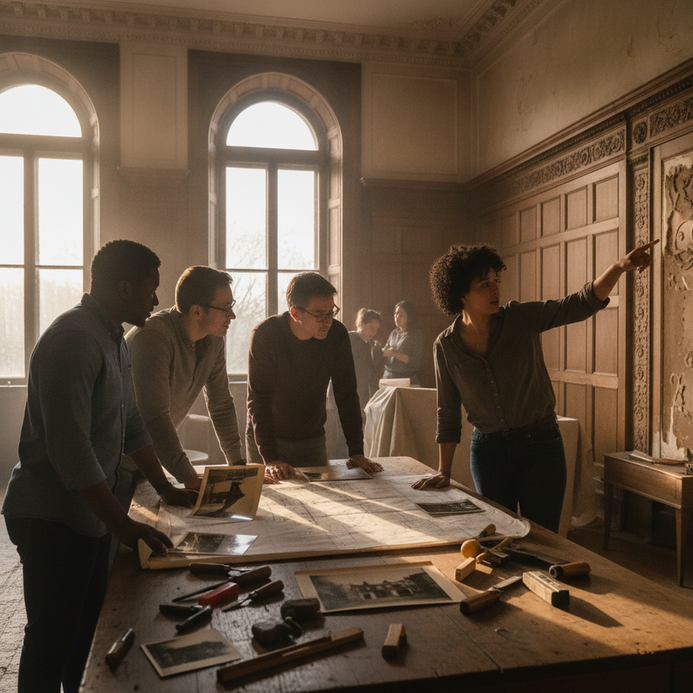
Restoring a historic property can feel overwhelming, but breaking it down into steps makes it manageable. Here’s how you can approach it:
1. Research and Documentation
Start by gathering all the information you can about the property. Old photos, building plans, and newspaper articles are goldmines. City archives and local historical societies are great resources. The more you know, the better you can plan your restoration.
For example, let’s say you find a black-and-white photo from the 1920s showing your home with a wraparound porch that’s now missing. That photo can guide your restoration and help you qualify for preservation tax incentives. Talk to neighbors or former owners, too, they may have stories or mementos that offer clues.
2. Condition Assessment
Next, check the building’s current state. Are there structural problems? What’s the condition of the roof, walls, and foundation? Bringing in a specialist, like an architect who focuses on historic preservation, helps identify hidden issues.
A thorough inspection will look at things like rot, termite damage, outdated wiring, and crumbling masonry. Sometimes problems aren’t obvious. An expert can spot sagging beams or moisture behind walls that might cause trouble down the road.
3. Setting Goals
Decide what you want to achieve. Do you want to restore the property to its original look, or blend old and new elements? Your goals will shape every decision, from materials to paint colors.
Some owners want the house to look like it did on day one. Others prefer to keep historic features while adding modern comforts. Maybe you want to turn an old firehouse into a restaurant, or keep a historic home as a family residence. There’s no single right answer, your vision sets the direction.
4. Creating a Restoration Plan
A detailed plan keeps you on track. It should list every task, from repairing woodwork to repainting trim. This is where professional landmark preservation services can make a big difference, providing expert advice on what to preserve and what can be replaced.
Your plan should also include a budget and timeline. Restoration often uncovers surprises, so build in some flexibility. For larger projects, it’s smart to break the work into phases, for example, handle the roof and structure first, then move to windows and interiors.
5. Choosing Materials and Methods
Whenever possible, use original materials or ones that closely match. For example, if a porch railing is too damaged to save, try to replicate the original design. Modern materials might be more durable, but they can change the look and feel of a historic property.
Take windows, for example. Old glass has a distinct ripple and glow that modern glass doesn’t. If you have to replace a window, try to match the old style. For paint, some experts can analyze old layers to find the original color. Even small details, like doorknobs or hinges, can add authenticity.
6. Complying With Laws and Guidelines
Many historic properties are protected by local, state, or national rules. The Secretary of the Interior’s Standards for the Treatment of Historic Properties (from the National Park Service) is a key set of guidelines. Check with your local preservation office before starting any major work.
Ignoring the rules can mean losing out on tax credits or even facing fines. Some properties need special permits for changes, especially for exteriors visible to the public. A preservation expert or consulting firm can explain which rules apply and help you fill out the paperwork.
7. Restoration in Action
Once everything’s planned, it’s time to get your hands dirty. Skilled carpenters, masons, and painters can tackle the tricky parts, while you might handle smaller jobs. Take lots of photos as you go. Not only do they document your progress, but they’ll also help if you apply for preservation tax incentives.
Restoration can mean anything from carefully stripping old paint to repairing ornate plaster ceilings. Sometimes, it’s a matter of patience, removing layers of paint to reveal original woodwork, or matching brickwork by hand. Celebrate small victories along the way. Each repaired window or polished floorboard is a piece of history saved.
The Role of Landmark Preservation Services
Restoring a historic property isn’t a solo mission. Landmark preservation services bring specialized knowledge that can save you time, money, and headaches.
These services can:
- Evaluate your property’s historical value and help with official landmark designation.
- Guide you through the maze of preservation rules and permits.
- Suggest the best restoration methods for different materials and styles.
- Connect you with trusted craftsmen and suppliers who understand the quirks of historic properties.
- Help you apply for grants, preservation tax incentives, and other funding.
Let’s say you’re restoring a Victorian home. A landmark preservation service might recommend a specific mason for repairing original brickwork or a painter who knows how to match historic colors. They can also introduce you to local craftspeople who specialize in things like stained glass or decorative trim.
These services often have experience working with city officials, which is invaluable. They know what documents are needed for permits, how to respond to inspectors’ questions, and how to make your case for funding. If you’re working with limited resources, they can help prioritize what to fix first and where to look for additional support.
Think of landmark preservation services as your personal coaches. They know the playbook, have experience with similar projects, and can spot challenges before they become problems. Whether you’re a homeowner working on a Victorian cottage or a developer taking on a landmark theater, professional help pays off.
Preservation Tax Incentives and Financial Support
Worried about the cost of historic property restoration? You’re not alone. The good news is, there are programs designed to help with expenses.
Preservation tax incentives come in several forms. Federal and state governments often offer tax credits for approved restoration work, especially for properties listed on the National Register of Historic Places. These credits can cover a percentage of your renovation costs, making a big dent in your budget.
For example, the Federal Historic Preservation Tax Incentives program offers a 20% tax credit for the rehabilitation of income-producing historic buildings. If you spend $100,000 restoring a historic storefront, you could get $20,000 back in tax credits, real money that can help your project succeed.
Some cities and states also offer grants or low-interest loans. Local nonprofits and historical societies may provide micro-grants or fundraising help. If you’re restoring a landmark for commercial use, check if you qualify for rehabilitation tax credits. There are even some programs for owner-occupied residential properties, though these vary by location.
To qualify, you’ll need to:
- Follow specific restoration guidelines, usually set by state or federal agencies.
- Submit detailed plans and photos before, during, and after the work.
- Keep records of all expenses, including receipts and contracts.
Getting approved can take time, and paperwork is part of the process. It’s worth working with an architectural landmark consulting firm or landmark preservation service to navigate the paperwork. They can help you maximize your incentives while making sure you stay within the rules.
Another tip: many communities have property tax abatements or freezes for historic homes. This means you’ll pay taxes on the pre-restoration value for a set number of years, making the project more affordable. Ask your local tax office or preservation group about what’s available in your area.
Challenges and Solutions in Historic Preservation
Historic preservation isn’t always easy. Weather, time, and past renovations can all cause problems. Here are some common challenges, with tips to overcome them:
1. Structural Issues
Old buildings sometimes hide surprises. Maybe there’s water damage in the basement or the roof needs reinforcing. Start with a thorough inspection. Don’t cut corners on safety, fix the big issues first.
For example, a sagging porch might seem like a cosmetic problem, but it could signal issues with the foundation. Addressing these structural concerns early protects your investment and keeps the building safe for years to come.
2. Finding the Right Materials
Original materials might be unavailable or expensive. Search local salvage yards, or find craftsmen who can recreate period-appropriate pieces. Some newer products mimic old styles while offering better performance.
Suppose you’re missing a stained-glass window panel. A specialist can recreate the design using modern glass, or you might find a match at a nearby salvage shop. For bricks and siding, look for reclaimed materials that match the originals in color and size. There are also companies that specialize in historic building supplies.
3. Meeting Modern Needs
You might want modern amenities like new wiring or air conditioning. The trick is to upgrade without ruining historic features. Conceal new systems behind walls or use wireless solutions where possible.
If you need to add central air, consider ductless mini-split systems that require fewer changes to walls and ceilings. For electrical work, a skilled electrician can route wiring behind plaster or through closets to avoid damaging decorative trim. This way, you get safety and comfort without sacrificing character.
4. Balancing Rules and Creativity
Preservation laws are important, but they can feel limiting. If you’re stuck, consult an expert or join local preservation groups. Others have faced similar challenges and may offer creative solutions.
For example, some cities allow modern additions as long as they’re clearly different from the original building, helping people distinguish between old and new. A glass-walled extension on a brick home can provide extra space while respecting the historic core.
Received a condemnation payment?
Get a free, no-obligation review of the tax treatment before you file.
Get a Free Tax Review