How Environmental Contamination Affects Property Value (And What You Can Do)
Understanding Environmental Contamination: What Does It Mean?
Environmental contamination happens when unwanted or harmful substances, like chemicals, heavy metals, oil, or even everyday trash, end up where they shouldn’t be. These substances can get into the air you breathe, the water you drink, or the soil under your feet. Sometimes, the source is obvious, like a factory smokestack. Other times, it’s hidden underground or happened decades ago.
Why should property owners care? Because contamination can affect nearly every aspect of a property. It can make land unsafe, cause health concerns for families, and create big headaches for buyers and sellers. Even if you’ve never seen a chemical drum in your life, the history of your land or neighborhood can play a major role in your property’s value and your ability to sell or borrow against it.
Think of environmental contamination as an invisible force that can quietly, but powerfully, shape your financial future. That’s why it helps to understand how it works and what you can do about it.
How Environmental Contamination Impacts Property Value
Ever seen a perfect-looking house with a “For Sale” sign that just won’t go away? Sometimes, the culprit isn’t a leaky roof or outdated kitchen, it’s environmental contamination. Even if you can’t see it, the effects on property value are very real.
Health and Safety Concerns
Potential buyers get nervous when they hear words like “lead,” “asbestos,” or “toxic plume.” Health worries are a top reason contaminated properties lose value. For example, a home with high levels of radon gas or lead in the soil is a hard sell for families with kids. The possibility of long-term health effects, from asthma to cancer, makes buyers think twice, even if the risks are low.
Many states require sellers to disclose known health hazards, but news travels fast. Online listings, social media, and local news can quickly spread word of a problem. Even the rumor of contamination can make a once-desirable property difficult to move.
Financial Risks and Extra Costs
Contaminated properties typically come with out-of-pocket costs that can add up fast. Cleanup, called remediation, might mean removing soil, pumping out polluted groundwater, or tearing out old building materials. Sometimes, just finding out what’s wrong requires expensive testing.
Banks and mortgage lenders often get skittish around contaminated land. If the property is seen as risky, they might refuse to issue a loan altogether, or demand a much higher down payment. Insurance companies may also hike rates, or deny coverage for certain hazards. All of this shrinks your pool of potential buyers and can drive down your sale price.
Let’s say you own a former gas station. Before you can sell or redevelop it, you’ll likely need to pay for a professional environmental assessment and possibly costly tank removal. Until the site is certified as clean, its value could be a fraction of what you hoped for.
Stigma and Market Perception
Stigma is the psychological shadow that lingers long after actual risks are gone. Even if a property is fully cleaned and declared safe, buyers may still be wary. This is especially true for high-profile contamination cases that made the news. The label of “contaminated” can stick for years, reducing resale value and making the home harder to market.
Neighborhood reputation matters too. If one house has a problem, sometimes nearby homes get painted with the same brush. Property values in the surrounding area can suffer, especially if the contamination is still ongoing or poorly managed.
Legal and Regulatory Issues
Contaminated properties can also come with legal strings attached. You may be required by law to report known hazards, and failing to do so can lead to lawsuits or fines. Some states have “superfund” sites, places so polluted, the federal government steps in. Owning land near or on a superfund site can mean years of oversight, paperwork, and uncertainty. All these hurdles can scare off buyers and lower the price.
Common Types of Environmental Issues That Affect Property Value
Environmental issues come in many shapes and sizes. Some are obvious, but others aren’t easy to spot without special testing. Here are some of the most common sources of contamination that can impact what your property is worth.
Industrial Pollution
Factories and industrial plants often leave behind a legacy of pollution. The soil or groundwater might contain heavy metals, solvents, or petroleum products. These sites are called brownfields. Cleaning up a brownfield can be complicated and expensive, but leaving it alone isn’t an option if you want to sell, build, or use the land safely.
For example, a warehouse district that once used solvents for cleaning machinery may have dry-cleaning chemicals like perchloroethylene in the soil. Even after the factory closes, the land can remain hazardous for decades, scaring away buyers and investors.
Leaking Underground Storage Tanks
Many older gas stations, dry cleaners, and even schools have underground tanks for fuel or chemicals. Over time, these tanks can corrode and leak. Leaked fuel or chemical waste can seep into soil and groundwater, sometimes traveling far from the original site. Cleanup can involve digging up large areas of land or using machines to scrub the groundwater.
A small commercial property with a leaking tank can see its value plummet until the issue is resolved. Even nearby homes can be affected if the pollution spreads.
Mold and Asbestos
Homes built before the 1980s often contain asbestos in insulation, siding, or floor tiles. When disturbed, asbestos fibers become airborne and can cause lung disease. Removing asbestos is expensive and highly regulated. Mold, on the other hand, thrives in damp areas, think basements or bathrooms. Mold can cause breathing problems and allergic reactions, and severe infestations require professional removal. Both issues can scare off buyers and lower property values.
For instance, a home inspector who finds black mold behind a bathroom wall will note it in the report, which could lower the sale price or stop a deal altogether.
Agricultural Chemicals
If a property was used for farming, pesticides and fertilizers may be present in the soil. Some old pesticides, like DDT, break down very slowly and can remain dangerous for decades. Even lawn chemicals applied in large amounts can contaminate soil and groundwater. These residues can make it difficult to use the land for gardening or play areas and may require special testing before a sale.
Landfills and Dumping Sites
Living near a landfill, junkyard, or old dumping ground is a red flag for many buyers. Landfills can leak chemicals into the ground or water, and the smell alone is often enough to hurt nearby property values. In some cases, old landfills are covered up and developed for new housing. If contamination is discovered later, new owners may face costly cleanup and plummeting values.
Radon Gas
Radon is a radioactive gas that naturally occurs in some soils and rocks. It can seep into basements and living spaces, increasing the risk of lung cancer. Radon is invisible and odorless, so testing is the only way to know if a property is affected. Homes with high radon levels may need special ventilation systems, and some buyers are unwilling to take the risk.
Lead Paint and Pipes
Many homes built before 1978 have lead-based paint or old plumbing with lead pipes or solder. Lead exposure is especially dangerous for young children. Removing lead paint or replacing pipes can be costly, and buyers are often wary of taking on the risk and expense.
How to Spot Environmental Contamination Before You Buy
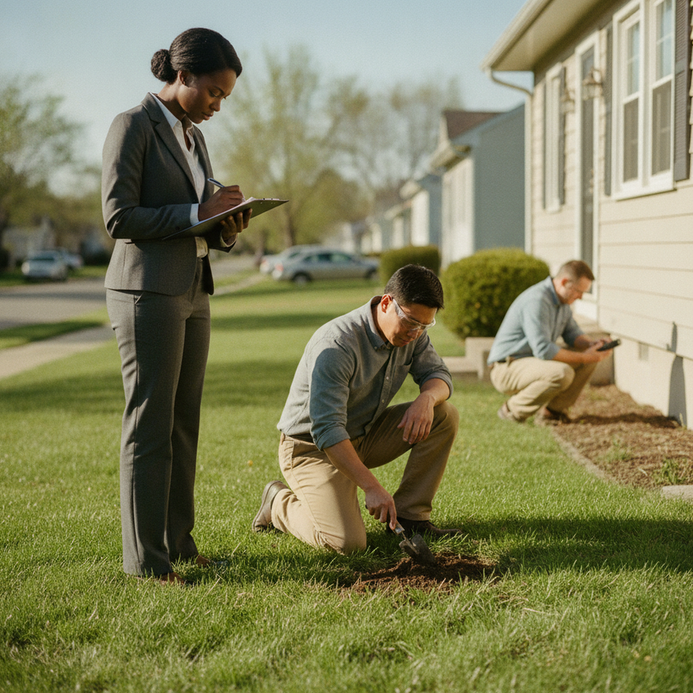
You don’t have to be an expert to spot warning signs, but you do have to be proactive. Here’s how you can protect yourself before putting down your hard-earned cash on a property.
Ask About the Property’s History
Start with a simple question: what was this land used for in the past? Was it ever a farm, gas station, factory, or dry cleaner? Even if the property looks clean today, past uses can leave long-lasting contamination. Local records, old maps, and even newspaper clippings can reveal a lot about your property’s background.
For example, a charming downtown apartment building might sit on what used to be a machine shop. That history could mean lingering solvents or heavy metals in the soil.
Get an Environmental Site Assessment
A Phase I Environmental Site Assessment (ESA) is a professional report that checks for signs of contamination. Experts review land records, interview previous owners, and inspect the property for red flags, like stained soil, dead vegetation, or unusual odors. If the Phase I ESA raises concerns, a Phase II assessment involves taking soil, water, or air samples for lab testing.
Although these assessments can cost a few thousand dollars, they are well worth it if you want peace of mind. Many banks require them before issuing a loan on commercial or industrial properties.
Check Local Records and Maps
Cities, counties, and states often keep online databases listing known contaminated sites. You can look up your address to see if it’s near any trouble spots. The Environmental Protection Agency (EPA) maintains a national list of brownfields and superfund sites. Local health departments also track pollution complaints and hazardous spills.
Let’s say you’re eyeing a home near a river. A quick online check might reveal past chemical spills or floodplain contamination you wouldn’t know about otherwise.
Talk to Neighbors
Neighbors can be a goldmine of information. Longtime residents might remember a huge fuel spill, a factory fire, or years when the river ran odd colors. Ask direct questions. Have there ever been environmental problems nearby? Any odd smells or illnesses in the area? The answers could save you from a costly mistake.
Look for Physical Clues
Walk the property and look for signs like dead patches of grass, standing water that never dries up, stained concrete, or odd chemical smells. These clues aren’t foolproof, but they can hint at deeper problems.
What To Do If Your Property Is Contaminated
Discovering contamination on your property can feel overwhelming, but you’re not powerless. Here are the steps to take if you find yourself in this situation.
Understand the Problem
Get a full, professional assessment. You need to know what contaminants are present, where they are, and how serious the problem is. Sometimes, the issue is limited to a small area. Other times, it’s widespread or has spread onto neighboring land.
For example, you might find that only the backyard has lead in the soil, or you might learn that groundwater contamination is affecting several blocks. Knowing the scope will help you plan your next moves.
Explore Cleanup and Remediation Options
Remediation, the process of removing or containing contamination, can take many forms. Soil can be dug up and replaced, water can be filtered, and vapor barriers can be installed in basements. In some cases, plants are used to pull toxins from the soil, a process called phytoremediation.
Costs vary widely. Removing a small oil spill might cost a few thousand dollars, while cleaning up an industrial site can run into the millions. Always get multiple quotes and ask for clear, written estimates. Some companies specialize in working with homeowners and small businesses, offering more affordable solutions than big contractors.
Check for Government Help
There are government programs that offer help with cleanup costs. The EPA’s Brownfields Program can provide grants and technical support for eligible sites. Some states and cities offer low-interest loans or even direct funding for certain types of contamination. Check with your local environmental agency to see what’s available.
For example, a neighborhood near an old rail yard might benefit from a city-led cleanup effort, reducing costs for individual homeowners.
Notify the Right Authorities
In many cases, you’re legally required to report contamination, especially if it could affect public health or spread to neighboring properties. Local or state environmental agencies will guide you on what forms to file and what steps to take next. Reporting promptly is important, not just for safety, but to avoid penalties or legal headaches later.
Consider Your Legal and Financial Options
If the contamination came from a previous owner, a neighbor, or a local business, you may have legal recourse. Real estate attorneys and environmental consultants can help determine if you can recover some or all of your cleanup costs. In some cases, insurance policies cover certain types of contamination. Review your property coverage and speak to your insurer if you discover a problem.
Communicate With Your Lender and Insurer
If you have a mortgage, let your lender know about the situation. Some loans have clauses requiring you to address environmental issues. Your insurer may also need to be notified, especially if you’re filing a claim. Being proactive keeps everyone informed and can help you avoid trouble down the line.
Minimizing the Impact: Protecting Your Property Value
Contamination might feel like the end of the world, but it doesn’t have to be. You can take steps to protect your property value and even restore buyer confidence. Here’s how.
Received a condemnation payment?
Get a free, no-obligation review of the tax treatment before you file.
Get a Free Tax Review