Inverse Condemnation | What Property Owners Need to Know
Ever heard of a situation where the government takes or damages private property but doesn’t officially call it eminent domain? That’s where inverse condemnation comes in. If you’re a property owner and something like this has happened to you, you might be entitled to compensation. In this guide, you’ll learn what inverse condemnation means, how the claims process works, and what steps you can take to protect your property rights. We’ll also dig into common real-world examples, your legal rights, and practical tips to help you move forward with confidence.
What Is Inverse Condemnation?
Inverse condemnation is a legal process that happens when the government (or another entity with government-like powers) takes or damages private property without following the usual eminent domain procedures. Instead of the government starting the process, it’s the property owner who must act. Think of it as the property owner “suing back” for compensation, because the government’s actions have affected the property’s value or usability.
Let’s break it down further. In typical eminent domain cases, the government formally tells you that it needs your property for something like a road or public project. You’re supposed to get fair compensation up front. In inverse condemnation, though, the government might build a highway that floods your land every year or install equipment that reduces your property value without any formal notice. You have to initiate the claim to get compensated for this loss.
Why does this matter? Because property rights are protected by the Constitution. If your property is taken or damaged for public use, you’re supposed to be paid for it. Inverse condemnation is the way to make that happen if the government skips the proper steps. This process ensures that even when the government acts without a formal notice or purchase, you still have a tool to fight for your rights and protect your investment.
Common Scenarios That Lead to Inverse Condemnation Claims
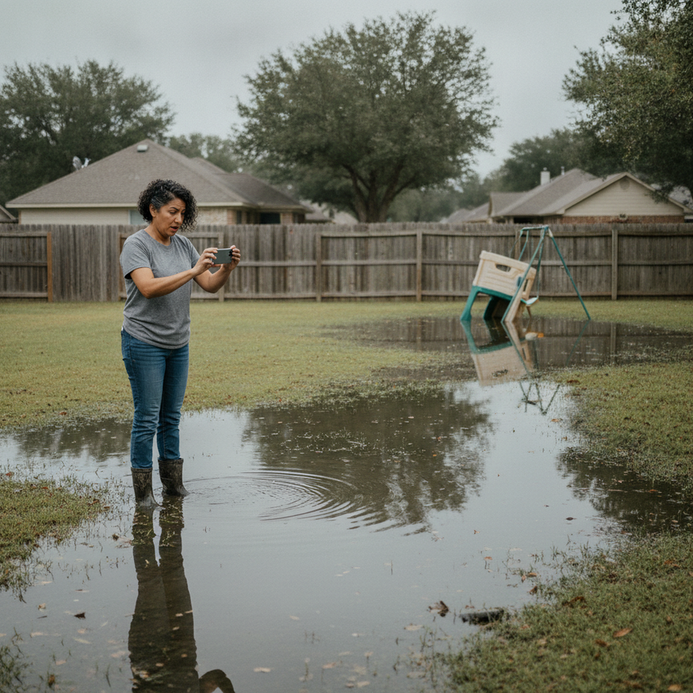
Inverse condemnation doesn’t just happen in big legal battles. Everyday property owners run into it more often than you might think. Here are some real-life examples that help make this legal idea more concrete:
- A city builds a new drainage system, but after heavy rain, your backyard floods every spring. The city never formally took your land, but their project caused the problem.
- Road construction changes the flow of traffic so much that your business loses foot traffic, hurting your income and property value.
- The government installs power lines or pipelines right next to your house, making it noisy or less attractive to buyers, but you never got a formal notice or compensation.
- Environmental regulations force you to leave part of your land undeveloped, even though you bought it planning to use it fully.
- A public airport expands its runways, and new flight paths mean planes now roar overhead, disrupting your peace and lowering your home’s appeal.
- Construction of a public transit line causes vibrations and cracks in your building’s foundation, but no one offers to pay for repairs.
In all these cases, the government hasn’t bought your property, but its actions have hurt your ability to use or enjoy it. That’s where an inverse condemnation claim could come into play. It’s about recognizing when an action by the government (or someone working on their behalf) crosses the line from routine inconvenience to a real, measurable harm to your property.
The Inverse Condemnation Claims Process: Step by Step
If you believe you have an inverse condemnation case, it’s important to know what to expect. The process can be complex, but understanding each step helps you navigate it more confidently. Let’s walk through what usually happens, so you’re not caught off guard.
1. Recognize the Signs
First, you need to notice that something’s wrong. If government work or public projects have changed your property in a way that reduces its value or makes it harder to use, start keeping records. Take photos, save letters or notices, and write down what’s changed. Not every inconvenience counts, focus on changes that actually reduce what your property is worth or how you can use it.
For example, maybe you notice new flooding patterns after a public works project, or you hear from neighbors about similar problems. Trust your instincts, if something feels off, it’s worth a closer look.
2. Gather Evidence
Building your case means collecting proof. This could include before-and-after pictures of your property, expert reports (like appraisals), or statements from neighbors who’ve noticed the impact. If your business has lost customers, keep records of sales and foot traffic before and after the government action. If your home is suddenly much noisier due to new infrastructure, record sound levels and keep a log of disturbances.
You might also want to document any repairs you’ve had to make that are directly tied to the government’s actions, such as fixing a cracked foundation after nearby blasting or replacing landscaping lost to new drainage patterns. The more details you have, the stronger your claim.
3. Consult With Legal Experts
Inverse condemnation claims usually require legal know-how. A lawyer who specializes in property rights or eminent domain compensation can help you figure out if you really have a claim. They’ll also help you understand the value of your loss and the best way to pursue compensation.
Not all lawyers are created equal, though. Look for one with real experience in inverse condemnation or property law. Many offer free consultations, so you can get a sense of your options without making a big commitment. Ask them if they’ve handled cases like yours before, and what kind of outcomes they’ve achieved.
4. File Your Claim
You’ll need to file a legal claim, usually in a local or state court. Your lawyer will handle the paperwork, which lays out how your property was affected, what the government did, and what compensation you’re seeking. Sometimes, governments will offer to settle before it goes to court, especially if the evidence is clear.
Keep in mind, deadlines matter. Some states require you to act within a specific time (often one or two years) after you first notice the harm. Missing this window can mean losing your chance at compensation altogether.
5. Prepare for Negotiation or Trial
Many inverse condemnation cases settle out of court. Your lawyer will likely open negotiations with the government, using your evidence to argue for a fair settlement. If a deal can’t be reached, be ready for a process that can take months or even years. Your lawyer will present your evidence, and the government will defend its actions. The court will decide if your rights were violated and, if so, how much compensation you deserve.
If your case does go to trial, expect both sides to bring in experts, such as appraisers or engineers, to explain the impact on your property. The judge (or sometimes a jury) will weigh the evidence and make a decision. While trials can be stressful, remember that most cases don’t get that far, and having a solid legal team makes a big difference.
Your Rights as a Property Owner
Knowing your rights is key. The U.S. Constitution’s Fifth Amendment promises that private property won’t be taken for public use without just compensation. Even if the government never officially “takes” your property, its actions can still count as a taking if they harm your property’s value or use.
You have the right to:
- Be paid fair market value for any portion of your land that’s taken or made unusable.
- Challenge government decisions that negatively impact your property.
- Seek legal advice about inverse condemnation if you’re unsure about your situation.
- Present evidence and have your case heard by a neutral judge (and sometimes a jury).
- Be represented by an attorney who can advocate for your interests and help you understand complex legal rules.
This isn’t just theory. Courts across the country have upheld these rights for property owners, even in cases that started with something as small as a blocked driveway or a new utility pole. Legal precedent is on your side if you can prove that the government’s actions have gone beyond what’s reasonable and have truly damaged your property rights.
How Compensation Works in Inverse Condemnation Cases
Compensation in inverse condemnation isn’t a one-size-fits-all solution. The amount you might receive depends on the specific impact the government’s actions have had on your property. Here’s how it usually works:
- Loss of Use: If you can no longer use part of your property for its original purpose, compensation should reflect that loss. For example, if a new road cuts off access to a portion of your farmland, you should be paid for the value of that lost use.
- Decrease in Value: If your property’s market value has dropped because of government action, you should be paid for that difference. Let’s say your home was worth $400,000 before a nearby highway project and only $350,000 after, compensation may cover that $50,000 loss.
- Cost of Repairs: Sometimes, you might get money to fix damage caused by public projects, like flooding or erosion. If you’ve had to spend $20,000 on drainage improvements directly caused by a city project, you can include that in your claim.
- Diminished Enjoyment: Some courts consider the loss of enjoyment or peace, such as noise pollution or constant vibration, as an element of compensation. This is harder to quantify, but can be significant in certain cases, especially for homes.
The value is typically determined by appraisers who specialize in eminent domain compensation. They’ll look at comparable properties and factor in any changes caused by the government’s action. In some cases, you may also be eligible for interest or even your legal fees, depending on state law and the specifics of your case.
Keep in mind, the government may try to argue that the damage is temporary or minimal, so having strong, detailed evidence is essential to getting the compensation you deserve. Don’t be afraid to push back if the initial offer seems low or doesn’t match your actual loss.
Tips for Navigating the Inverse Condemnation Claims Process
The process can feel overwhelming, but there are ways to make it smoother. Here are some practical tips:
- Act Quickly: There are strict deadlines for filing inverse condemnation claims in most states. Don’t wait to start the process. As soon as you suspect damage, start documenting and reach out for help.
- Keep Detailed Records: Document everything, from the first sign of damage to every conversation with officials. Keep a dedicated folder (physical or digital) for photos, letters, repair bills, and notes from phone calls or meetings.
- Talk to Your Neighbors: Others nearby might be facing the same issues. There’s strength in numbers, and group claims can sometimes be more effective. For example, if several homes in a subdivision are affected by the same flood, a group claim can carry more weight and share legal costs.
- Get Professional Help: Lawyers, appraisers, and engineers can all play a role in building your case. An appraiser can put a dollar value on your loss, while an engineer might prove that the government’s project caused the problem.
- Stay Organized and Persistent: The process can drag on, especially if the government pushes back or denies responsibility. Keep following up, respond to requests for information, and don’t give up if things move slowly. Persistence often pays off.
When Should You Seek Legal Advice for Inverse Condemnation?
Not sure if your situation qualifies? Here are some signs it’s time to call a professional:
- You’ve noticed damage or loss of use after a government project, but no one has offered compensation.
- You’ve tried reaching out to officials and haven’t gotten a clear answer.
- The loss is significant enough to impact your finances or quality of life.
- You’re unsure about how to value your loss or prove that the government is responsible.
- You’re concerned about missing a filing deadline or making a legal mistake that could hurt your claim.
A lawyer can help you decide if you have a strong case and what steps to take next. Many offer free consultations for cases like these, so it doesn’t hurt to ask. They can also explain what to expect in your state, since rules and timelines vary widely.
What to Expect if Your Case Goes to Court
Going to court can seem intimidating, but knowing what to expect helps. Here’s a basic outline:
- Your lawyer files a complaint explaining what happened to your property and what you’re seeking.
- The government responds, either defending its actions or offering to negotiate.
- Both sides share evidence, like expert reports or witness statements. This phase is called discovery and can take several months.
- If there’s no settlement, a judge (or sometimes a jury) hears the case and decides if you deserve compensation, and how much. The court may visit your property to see the damage firsthand.
Received a condemnation payment?
Get a free, no-obligation review of the tax treatment before you file.
Get a Free Tax Review