Eminent Domain | Quick Take Procedures & Possession Timelines
Ever worried what might happen if the government wants to take your property for a road or public project? Eminent domain makes this possible, but the process can move faster than you think, especially with quick take procedures. In this post, you’ll learn what eminent domain really means, how quick take works, what timelines you can expect, and how to protect your rights along the way.
What Is Eminent Domain?
Eminent domain is the legal power that lets the government take private property for a public use, like building roads, schools, or parks. The catch? The government has to pay the property owner fair market value. But the process can feel confusing, especially when it moves quickly or you get a notice out of the blue. If you own a home or land, understanding how eminent domain works helps you prepare for what could happen next.
Governments use eminent domain to serve the public good, but it’s not a wild free-for-all. Laws set limits about when and how property can be taken. Usually, the government tries to negotiate a purchase first. If you and the government can’t agree on a price, that’s when eminent domain proceedings kick in. For many people, the first hint is a letter or notice of intent. From there, things can move fast.
How Quick Take Procedures Work
Quick take procedures are a special way the government can take possession of property before the full legal process plays out. Think of it as a shortcut the government uses when it needs land urgently, like for a road repair after a storm or a school expansion on a tight schedule.
In a typical eminent domain case, there’s a court process that can take months or even years. Quick take speeds things up. Here’s how it usually works:
- The government files a petition in court asking for permission to take your property right away.
- The court reviews the request. If the judge agrees, the government deposits the estimated fair market value for your property with the court.
- Once the deposit is made, the government can take possession of the property, sometimes within days or weeks.
- You, the property owner, can withdraw the money while the rest of the case goes on. You still have the right to argue for more compensation later.
Quick take doesn’t skip your rights. You still get a chance to challenge the amount offered. But it does mean you’ll have to move out or make other plans much sooner than with the normal process.
Why Does Quick Take Exist?
Quick take procedures exist so public projects aren’t held up by long legal battles or negotiation delays. If a city needs to widen a road before the next school year, it can’t always wait for every detail to be settled. Quick take helps keep important projects on schedule, but it can feel rushed for property owners who need time to plan or relocate.
Key Steps in the Property Acquisition Timeline
So, how long does the whole eminent domain process take? It depends on the type of taking and local laws, but here’s a general timeline you can expect:
- Initial Contact: The government contacts you about needing your property. Sometimes, this starts with a simple letter or phone call.
- Appraisal and Offer: An appraiser checks your property and the government makes an offer, usually based on fair market value.
- Negotiation: You can negotiate the offer or get your own appraisal. This stage can be as short as a few weeks or stretch out for months.
- Formal Proceedings: If you don’t agree, the government files an eminent domain lawsuit.
- Quick Take (if used): The government asks the court for immediate possession, deposits estimated compensation, and may take control within days or weeks.
- Possession and Relocation: You must vacate the property, possibly just days after the deposit.
- Compensation Dispute: If you think the offer was too low, you can challenge it in court. This part can take months or longer, but by then you’ve already lost possession.
Without quick take, you might not have to move for several months or even a year. With quick take, things speed up dramatically. It’s important to know these timelines so you can plan your next steps and protect your interests.
What Triggers Quick Take and Who Decides?
Not every eminent domain case uses quick take. State and local laws determine when quick take is allowed. Here are some common triggers:
- Urgent infrastructure projects (like highways, flood control, or public safety improvements)
- Emergency repairs after natural disasters
- Certain types of schools or public transportation expansions
The government agency in charge of the project usually decides if quick take is needed. They must show the court why immediate possession is necessary. The judge then reviews the evidence and decides whether to approve the request. If the court agrees, the agency can deposit the money and take the property.
Sometimes, property owners can object to the use of quick take, but courts often side with the government if there’s a clear public need. That’s why it’s critical to get legal help early if you receive a quick take notice.
What Happens After Possession? Your Rights and Next Steps
Losing your property quickly can be overwhelming. But even after possession changes hands, you still have important rights:
- You can challenge the compensation: You don’t have to accept the first offer. If you believe the payment is too low, you can present evidence in court or work with an attorney to negotiate a higher amount.
- You can access relocation assistance: Many states offer help with moving expenses or finding a new place. Ask the agency or your lawyer what programs are available.
- You have time to withdraw compensation: When the estimated value is deposited with the court, you can usually withdraw it right away, even if you’re still fighting for more.
It’s a good idea to keep records of all communication, appraisals, and expenses related to your move. This helps if you decide to challenge the compensation or need proof of costs later.
Can You Get Your Property Back?
In rare cases, if the project changes or is canceled before construction starts, you might have a chance to reclaim your property. But once the government takes possession, this is not typical. That’s why it’s important to take quick action if you want to protect your rights or negotiate a better deal.
Eminent Domain Tax Assistance and Planning
If you’re facing an eminent domain action, there’s another layer to consider: taxes. When you receive compensation for your property, it can have tax consequences. Many property owners are surprised to learn that relocation payments, interest on delayed compensation, and even the main settlement can be taxable in some situations.
A few tips to keep in mind:
- Not all compensation is taxed the same way. Some parts might be considered capital gains, while others could be treated as ordinary income.
- You might be able to defer or reduce taxes if you reinvest in a similar property within a certain time frame.
- Special rules sometimes apply to involuntary conversions (which is what eminent domain usually counts as).
Talking to a tax professional with experience in eminent domain tax assistance is important. They can help you understand your specific situation and make the most of any tax breaks. Planning ahead can save you money and avoid surprises at tax time.
How to Protect Yourself During Quick Take and Eminent Domain
Facing eminent domain or a quick take procedure can feel overwhelming, but there are steps you can take to safeguard your interests:
- Get professional help early. An attorney with experience in eminent domain law can explain your rights, help you challenge low offers, and guide you through the process.
- Don’t accept the first offer without review. It’s common for initial offers to be lower than the true market value. Independent appraisals can give you a stronger negotiating position.
- Keep records of everything. Save all letters, emails, reports, and receipts related to the acquisition. These documents can be critical if you need to dispute the compensation or claim moving expenses.
- Ask about relocation assistance. Many government agencies must help you find a new home or business location and cover some costs.
- Understand your tax situation. Compensation from eminent domain can affect your taxes, so consult a tax advisor early.
Example Scenario: Quick Take in Action
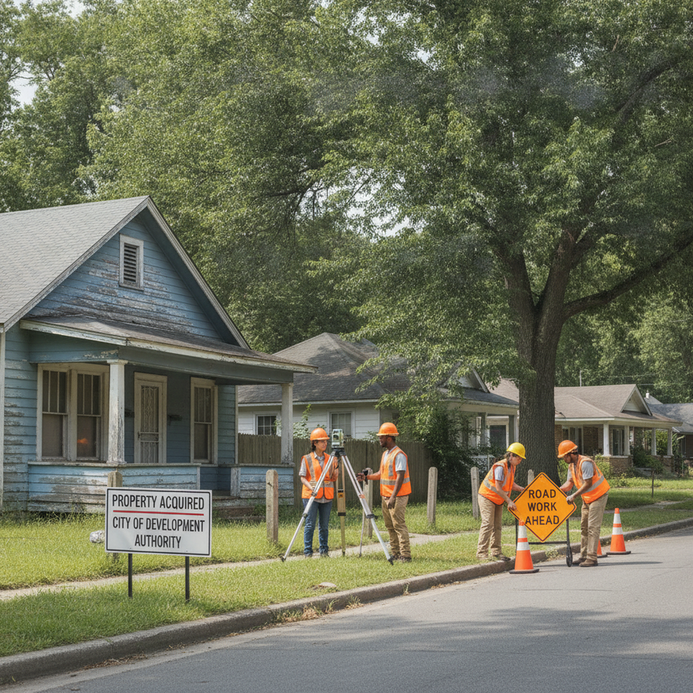
Let’s look at a real-world example to make things clearer. Imagine a homeowner named Maria. The city needs her property to expand a local road. She gets a letter from the city’s transportation office explaining that her house is in the project’s path. The letter says they want to settle quickly but warns that quick take might be used if they can’t agree.
Maria meets with the city’s appraiser, who offers $250,000. She thinks her home is worth more, so she gets her own appraisal, which values her property at $290,000. Negotiations stall. The city files for quick take, deposits $250,000 with the court, and gets permission to take possession in 30 days.
Maria and her family have to move out before the court decides if she should get more money. She uses the deposited funds to cover moving expenses and starts a legal challenge for higher compensation. Months later, the court awards her an additional $30,000 based on her independent appraisal. Because Maria kept good records and got help early, she was able to protect her interests and get fairer compensation.
[[inline image placeholder: A city street with a home marked for demolition, surveyors measuring the property, and construction signs visible. AI image prompt: photorealistic, sunny afternoon, home with ‘property acquired’ sign, surveyors and construction workers present.]]
Frequently Asked Questions About Quick Take and Possession Timelines
How quickly can the government take my property under quick take?
In many cases, possession can transfer in as little as 30 days, sometimes even less depending on the urgency and local laws. The exact timeline varies, but quick take is designed to move much faster than traditional eminent domain cases.
Do I have to accept the first offer?
No, you don’t have to take the government’s first offer. You can get your own appraisal, negotiate, or challenge the amount in court. You still have rights, even if the process is moving fast.
What if I need more time to move?
You can ask for more time by explaining your situation to the court or agency, but there’s no guarantee. Quick take timelines are usually strict. That’s why it’s important to start planning as soon as you receive notice.
Will I owe taxes on my compensation?
Possibly. Some or all of your eminent domain payment could be taxable, depending on how you use it and your specific circumstances. Talk to a tax advisor right away for guidance.
Conclusion
Eminent domain and quick take procedures can move fast, changing your life in a matter of weeks. Understanding how possession timelines work, what your rights are, and how to plan for taxes can help you navigate the process with confidence. If you’re facing a quick take or have questions about your property, contact us to learn more.
Received a condemnation payment?
Get a free, no-obligation review of the tax treatment before you file.
Get a Free Tax Review