Partial Taking | How It Impacts Remaining Property Value
If you’ve ever heard about the government or a utility company taking land for a road, a power line, or another public project, you’ve brushed up against a concept called partial taking. This happens when only a part of your property is taken, not the whole thing. But what does that really mean for you, your home, and your wallet? In this guide, you’ll learn what partial taking is, how it affects the value of what’s left behind, and what you can do to protect yourself, especially when it comes to property taxes and getting the right compensation.
What Is Partial Taking?
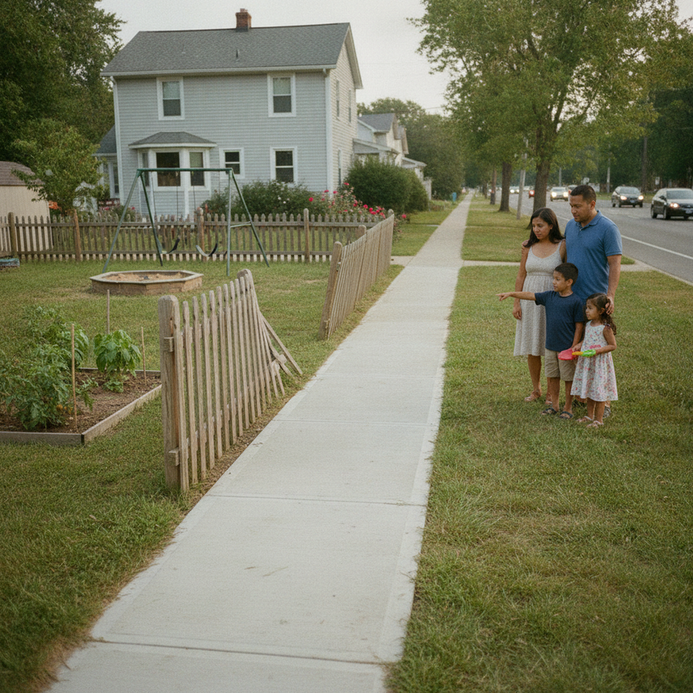
Partial taking is when the government or another authorized group takes only a portion of your property for public use, like widening a street or installing new water lines. Unlike a full property acquisition, you still keep ownership of what’s left, the remaining property. But it’s not as simple as just losing a strip of land. The effects can ripple into the value, usefulness, and even the comfort of your home or business.
Let’s say your backyard backs up to a busy street. The city decides to take a 10-foot slice off the back for a sidewalk expansion. You still own your house and most of your yard, but things have changed. That’s partial taking in action.
Partial taking happens most often during projects like:
- Road expansions or new highways
- Adding sidewalks or bike lanes
- Installing above-ground or underground utilities
- Creating public parks or greenways
- Building drainage ditches or retention ponds
When the government or a utility company gives you notice, it’s usually for one of these reasons. You might lose a strip along the edge of your property, a corner, or even a chunk in the center if it’s needed for a new access route. The key is that you still keep the rest, the “remainder”, but it might never be quite the same.
How Does Partial Taking Affect Remaining Property Value?
When a piece of your property is taken, it’s natural to wonder if what’s left is worth the same as before. Usually, it isn’t. The change can impact how you use your property, its privacy, its appeal to buyers, and even its safety.
The Direct Loss
First, there’s the obvious: you’ve lost land. This might mean less space for kids to play, a smaller garden, or a tighter parking area. For commercial properties, it can be lost parking or less room for deliveries. For farms, it could mean less acreage for crops or animals.
Let’s take a simple example. If your property is a rectangle and the city takes away a strip along the back for a new sewer line, your lot is now smaller. Maybe you had a fence back there, or trees you planted. They’re gone. The space you used for a shed, garden, or playground is now public land. You might feel like you’ve lost just a sliver, but the way you use your yard may never be the same.
For businesses, the impact can be even bigger. If a strip of parking is lost, it might mean customers have a harder time stopping by. Sometimes, code requirements for parking or setbacks are affected, and the business faces new zoning hurdles.
The Indirect Effects
But it doesn’t stop there. The remaining property might lose value because of new problems. Maybe the new sidewalk brings more noise and foot traffic. Or perhaps the shape of your lot changes, making it less attractive or harder to use. In some cases, partial taking can affect how much sunlight you get or even block a view you once enjoyed.
Consider a home that used to have a deep backyard. After a partial taking, the house sits much closer to a busy road. Now, the new road introduces more noise, dust, and traffic. The backyard becomes less private and less enjoyable. This isn’t just about losing land, it’s about how the land you keep is changed.
Or think about a business that loses its corner sign when a road is widened. Suddenly, drivers can’t see the storefront as easily, and business drops off. These are the less obvious, but very real, effects of partial taking.
Example: The Corner Lot
Imagine you own a corner lot. The city needs part of your front and side yard to widen both roads. Now, your house sits much closer to traffic, and your yard is not only smaller but less private. Even though you still own the property, it may be worth less to you, and to a future buyer.
Buyers think about things like privacy, distance from traffic, and the size and shape of a yard. If the partial taking leaves you with a property that feels exposed or awkward, it can make your home harder to sell and reduce its value. This shows up not just in future appraisals but also in the offers you might get if you decide to move.
Special Cases: Easements and Utility Corridors
Sometimes, partial taking doesn’t mean the land is gone entirely. Instead, the government or utility gets an easement, the right to use part of your land for a specific purpose. You might still own the land, but you can’t build on it or plant trees, and workers may show up for repairs or inspections.
For example, if a power company gets a utility easement across your backyard, you might have to remove play structures, sheds, or trees. Even if the land looks the same, it’s not as valuable because your use is limited, and buyers will notice that, too.
Eminent Domain Valuation: How Compensation Is Calculated
When property is taken for public use, the law says you’re entitled to “just compensation.” But how much is that? For partial taking, it’s not just the value of the land that’s gone. It’s also any decrease in value to the remaining property.
Step 1: Before and After Approach
Most appraisers start by figuring out what your whole property was worth before the taking. Then, they estimate what it’s worth after the partial taking and any changes to the property. The difference between those two numbers is the total compensation you should receive.
For example, if your home and lot were worth $400,000 before, and after a partial taking (and all its impacts) the property is worth $350,000, then you’re owed $50,000 in compensation. This covers both the land taken and the diminished value of what remains.
Step 2: Damages to the Remaining Property
Sometimes, the leftover property is less valuable because of things like noise, loss of access, or weird lot shapes. These are called “severance damages.” For example, if a new road means you can only turn right out of your driveway, that’s a real loss. The law says you should be paid for that, too.
Severance damages can cover things like:
- Loss of access (driveways are rerouted or blocked)
- Increased noise or dust from new roads
- Odd-shaped lots that are harder to use or sell
- Loss of landscaping, trees, or fences
- Changes to zoning or land use regulations due to the new property shape
These damages aren’t always obvious, so it’s important to work with an appraiser who looks at the big picture, not just the square footage.
Step 3: Benefits Offsetting Damages
In rare cases, the public project might actually make your remaining property worth more. Maybe a new road makes it easier for customers to reach your business. If that increase outweighs the damages, it can offset the compensation you receive.
For example, if your property was hard to access before, but the new road brings a nearby stoplight or easier driveway, the value could go up. Courts sometimes allow these “special benefits” to be subtracted from your compensation, but only if they really do improve your specific property, not just the neighborhood in general.
Why Appraisers Don’t Always Agree
Valuing property after a partial taking isn’t an exact science. Two appraisers might reach very different conclusions about the impact on value, especially for unique properties or unusual takings. This is why it’s smart to get your own independent appraisal and compare it to the government’s offer. If there’s a significant gap, you may want to negotiate or get legal advice.
What Happens to Property Taxes After a Partial Taking?
One thing that surprises people is how partial taking can change their property taxes. After losing part of your land, the value of your property should drop, at least on paper. But tax assessors don’t always catch up right away.
Why Your Tax Bill Might Not Drop Automatically
Just because you lost land, don’t assume your next tax bill will shrink. Sometimes, the remaining property value is tricky for the assessor to figure out. If the improvements (like your house or a business building) are still the same, only the land value might change. In other cases, if partial taking makes your property less desirable overall, you might have a case for a bigger tax reduction.
For instance, if a new road takes away a strip of land but makes your lot much noisier, the assessor may not automatically adjust for the loss of peace and quiet. Or, if your business loses parking and customers, but the building itself is unchanged, your tax bill might not reflect the loss in overall value.
How to Get Property Tax Assistance
If you think your property taxes haven’t adjusted fairly, you can appeal. Start by checking your new assessment. If it doesn’t reflect the reduced size or value, gather your paperwork (the eminent domain offer, appraisal, and any maps). Contact your local assessor’s office to start the appeal process. You may also want to consult a property tax professional who understands eminent domain cases.
Here are the basic steps for appealing your property tax assessment after a partial taking:
- Request a copy of your updated property assessment from the assessor’s office.
- Compare the current assessment to your own appraisal and records.
- File an appeal with your local tax board, providing evidence of the reduced property value.
- Attend a hearing or submit documentation showing the impact of the partial taking.
- If needed, work with an attorney or property tax expert to strengthen your case.
Remember, the sooner you act, the better your chances of getting your property taxes corrected. Appeals are often time-limited, so don’t put it off. In some cases, you may even qualify for a partial refund of taxes already paid if your assessment drops retroactively.
Common Challenges Owners Face After Partial Taking
Partial taking can create headaches you didn’t expect. Here’s what to watch for and how to handle it.
Loss of Access or Function
Maybe you lose the only driveway to your garage, or your new property line cuts through a garden shed. Sometimes, you’re left with odd-shaped land that’s hard to use or sell. In these cases, it’s important to document everything and make sure the loss is part of your compensation claim.
For example, if a partial taking leaves you with a pie-shaped lot that no longer meets zoning requirements for building additions, you could lose future options for expanding your home, even if you weren’t planning to build right away. Or, if access to a business is made tricky by a new median or turn restriction, you might see fewer customers.
Loss of Privacy and Enjoyment
Public projects can bring new sidewalks right up to your windows, or put a bus stop by your fence. This can make your property feel less private or less safe. If your home loses its “quiet enjoyment,” the law may entitle you to more compensation.
Sometimes, the loss is less about money and more about lifestyle. Maybe you loved your backyard because it was quiet and shady, now it’s in full view of passing cars. Or your children’s play area is gone. These changes affect how you and future buyers feel about the property, which can drive down value.
Disagreement About Value
Cities and agencies might offer less than what you feel your property is worth. If you disagree, you have the right to negotiate or even take the case to court. Bring in a qualified appraiser and, if needed, a lawyer who specializes in eminent domain.
Keep in mind that the government’s appraisal isn’t the final word. If you believe important factors were missed, like noise, loss of landscaping, or new safety risks, collect your own evidence. Photos, expert opinions, and even letters from real estate agents can help back up your claim.
Emotional Stress and Uncertainty
Facing a partial taking can be stressful. There’s the worry about what you’ll lose, the confusion over paperwork, and the fear of making a costly mistake. Many property owners feel powerless, especially when dealing with government agencies.
Having a trusted advisor, like a property tax professional, appraiser, or attorney, can take some of that stress off your plate. They can help explain your rights, review offers, and make sure you don’t miss deadlines or opportunities.
Received a condemnation payment?
Get a free, no-obligation review of the tax treatment before you file.
Get a Free Tax Review