Form 1065 Filing Checklist for a Condemnation | Everything You Need to Know
If your partnership has received money from a property condemnation, you might be wondering how to handle it on your taxes. The process can seem overwhelming, but a clear form 1065 checklist for condemnation can make things much easier. In this guide, you’ll learn exactly what steps to take, what documents you’ll need, and how to stay compliant with the IRS. Let’s break it down so you can file with confidence.
What Is Form 1065 and Why Is It Important for Condemnation?
Form 1065 is the tax return that partnerships need to file each year to report their income, deductions, and credits. If your partnership has gone through a condemnation, meaning the government has taken your property for public use, you may have received compensation. Reporting this correctly on your Form 1065 is essential because condemnation awards can have special tax rules and timing requirements. Mistakes here can lead to headaches later, so it’s worth getting it right from the start.
Key Documents and Information You’ll Need
Before you start filling out your form 1065 checklist for condemnation, gather all the necessary paperwork. Having the right documents on hand saves a lot of time and frustration.
- The official condemnation notice or agreement from the government or agency.
- Closing statements and any legal documents related to the property transfer.
- Details of the compensation received, including any breakdown of amounts for land, improvements, or relocation.
- Records of your partnership’s original cost basis in the property. This includes purchase price, improvements, and depreciation.
- Legal expenses or other costs directly related to the condemnation.
- Any correspondence with attorneys or tax advisors on the matter.
With these items ready, you’ll be able to answer most questions that come up during the filing process.
How to Report Condemnation Income on Form 1065
Not all income from condemnation is taxed the same way. Some amounts may be fully taxable, while others could qualify for a tax deferral if you reinvest in similar property. Here’s how to approach it:
Identify the Type of Condemnation Award
Condemnation proceeds can include payment for the property, payments for improvements, or even compensation for loss of business. You’ll need to separate these amounts on your records. Only the amount related to the sale or involuntary conversion of your property usually goes on Form 1065 as income.
Calculate Your Gain or Loss
To figure out if you have a gain or loss, subtract your property’s adjusted basis from the total compensation received. The adjusted basis is what your partnership originally paid, plus the cost of improvements, minus any depreciation taken over the years.
Complete the Involuntary Conversions Section
Form 1065 itself doesn’t have a special line for condemnation. Instead, you’ll use Form 4797 (Sale of Business Property) to report gains or losses from involuntary conversions, like condemnation. Attach this to your partnership return. If you’re just starting, this step can be confusing, but focusing on the form 1065 checklist for condemnation keeps you on track.
Special Tax Rules for Condemnation: Deferrals and Reinvestments
The IRS sometimes allows you to defer tax on gains from condemnation if you buy similar property within a certain period (usually two to three years). This is called a like-kind replacement. Here’s how it works:
- Report the gain on Form 4797, but note your intention to defer by reinvesting.
- Keep detailed records of new property purchases, including closing documents and proof of payment.
- Make sure the replacement property is similar in use and purchased within the allowed time.
- When you file your return, provide all supporting documents showing the reinvestment and how the new basis was calculated.
If you miss the reinvestment window or buy property that doesn’t qualify, your gain becomes taxable in the year you received the compensation.
Common Mistakes to Avoid When Filing
Condemnation-related tax filings can be tricky. Here are some pitfalls to watch out for:
- Forgetting to separate the value of land from improvements or personal property.
- Not including legal fees or other selling expenses in your basis calculation, which can increase your taxable gain.
- Missing important deadlines for replacement property purchases.
- Reporting the proceeds in the wrong tax year. Sometimes, payment is delayed, which can affect when you recognize the income.
- Not attaching all required forms and statements. The IRS can send your return back if it’s incomplete.
A careful form 1065 checklist for condemnation helps you avoid these mistakes.
When to Seek Professional Help
Tax rules about condemnation and partnerships can be complicated. If your situation involves a large award, tricky basis calculations, or disagreements about property value, it’s smart to get expert advice. A professional can spot issues you might miss and help you maximize your tax benefits.
If you’re not sure where to start, or if you want peace of mind that your filing is correct, reach out to a tax advisor who focuses on condemnation cases. They can walk you through each step and make sure your partnership is fully compliant.
What to Do Next: Your Condemnation Filing Game Plan
Now that you know what’s involved, here’s a simple summary to guide your next steps:
- Gather all documents related to the condemnation.
- Calculate your gain or loss using your records.
- Complete Form 4797 and attach it to your Form 1065.
- Consider whether you want to defer taxes by reinvesting in similar property.
- Double-check everything for accuracy before filing.
If you have questions or want help with your form 1065 checklist for condemnation, our team at eminentdomaintaxhelp.com is ready to assist. We can make the process smoother and help you get the best outcome possible.
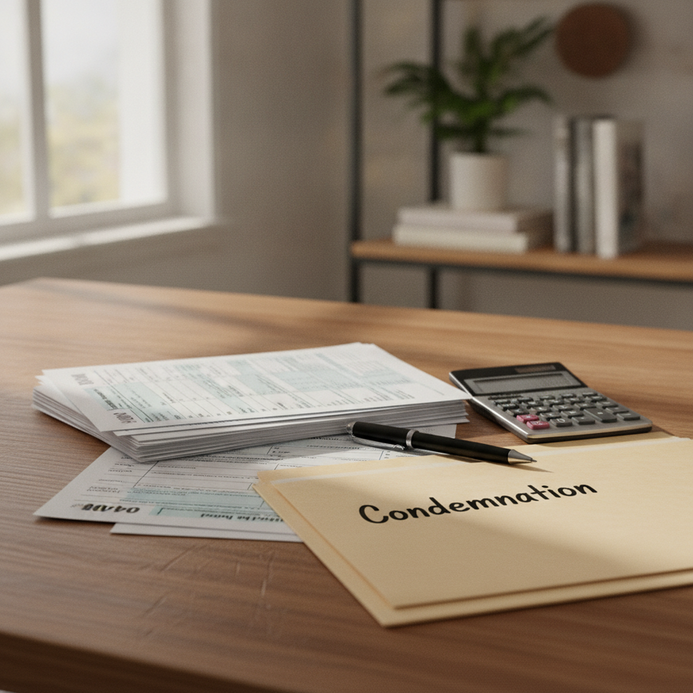
![A stack of IRS tax forms and checklists on a desk, with a pen, calculator, and a folder labeled ‘Condemnation’. The background should look like a typical home office with soft lighting. No people present.]
In summary, filing your partnership’s tax return after a condemnation doesn’t have to be stressful. Use this checklist, watch for common mistakes, and don’t hesitate to reach out for help. Contact us to learn more.
Received a condemnation payment?
Get a free, no-obligation review of the tax treatment before you file.
Get a Free Tax Review